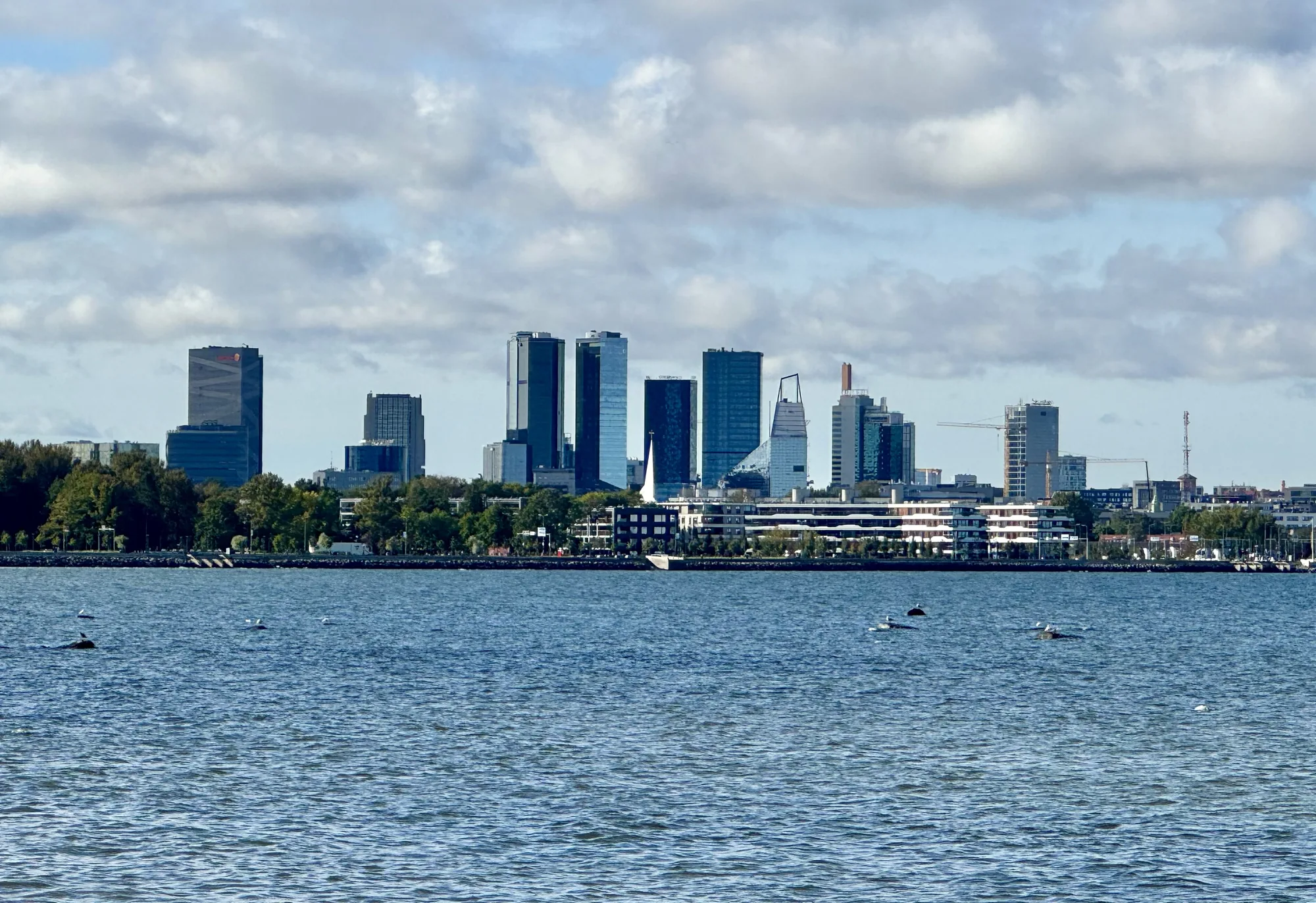
Kosovo has about 1.6 million people. Albania has about 2.8 million. Both numbers get used constantly as an explanation for why neither country has produced a global company: too small a market, too small a talent pool, too small to matter to anyone outside the region.
Estonia has 1.3 million people. Lithuania has 2.8 million. Croatia has 3.8 million. All three built a unicorn anyway. The size argument does not survive contact with what actually happened in any of them.
A village of 3,000 people built Croatia’s first unicorn
Infobip started in 2006 in Vodnjan, a Croatian village of about 3,000 residents. Founder Silvio Kutić borrowed roughly 12,500 euros from his parents to get it off the ground. No venture funding, no accelerator, no government program. The company stayed bootstrapped for over a decade before raising 200 million dollars in 2020 and becoming Croatia’s first unicorn. It now runs more than 70 offices across six continents with over 3,500 employees. It has opened its own campuses in both Vodnjan and Zagreb to keep training the next generation where it started.
A moving sale in Vilnius became a $5 billion marketplace
Vinted started in Vilnius in 2008 because co-founder Milda Mitkute needed to sell clothes she no longer wanted and could not find a good way to do it. It became Lithuania’s first unicorn in 2019 and is now valued at 5 billion euros. More than 25 former Vinted employees have gone on to found their own startups, a pattern local investors now call the “Vinted effect.” Lithuania, a country of under 3 million people, has produced six tech unicorns in less than a decade.
The mechanism is the same every time
One unicorn would do more for Kosovo and Albania than a decade of remittances covered how this played out in Estonia: one Skype exit, then Wise, Bolt and eight more unicorns off a population smaller than Prishtina and Tirana combined. Infobip and Vinted are not exceptions to that pattern. They are the same pattern with different founders.
In every case, the company itself was almost beside the point. What it left behind was capital willing to take early risk, a visible answer to “has anyone from here done this,” and a cohort of people who had already learned how to build at that level and stayed to do it again. Population size never determined whether that mechanism could start. It only determined how many tries it might take.
What Kosovo and Albania are actually short on
Not people. Not talent. Startup Albania and Innovation Centre Kosovo have already proven both exist. What Vodnjan, Vilnius and Tallinn had that Prishtina and Tirana still do not is a credible path from a good idea to the market that pays for it at scale.
That is the exact gap the Startup Embassy is meant to close. Every country in this piece is smaller, or barely bigger, than Kosovo or Albania. None of them waited to get bigger first.
Write a comment