
I attended Bay Area Search in San Francisco on November 17, 2026. These are my notes and talking points from the day, plus what I think it means for web and SEO work in higher education.
Event at a glance
- Event: Bay Area Search 2026, the relaunch of a long-running SF search meetup once hosted at Google, Yelp, LinkedIn and others
- Date: Tuesday, November 17, 2026 (full day, 8:30 AM to the 4:00 PM happy hour)
- Venue: Manny’s, Mission District, San Francisco
- Presented by: Previsible (CEO Jordan Koene); emcee Micah Fisher-Kirshner, founder of Bay Area Search
- Audience: about 100 to 150 SEO and search practitioners, growth and marketing leaders and founders, many with 10 to 30 years in search
- Sponsors: sunbeam (premier) and Nozzle (supporting)
- Cause: every $25 ticket went to Mission Bit, an SF nonprofit providing free computer science and AI education to over 2,700 public high school students a year
- Next event: April 13, 2027
Top talking points
My short version to share with a team.
- GEO is mostly good SEO. Both panels agreed the fundamentals have not changed. What is genuinely new (and hard) is that people get the answer without clicking.
- Your brand lives off your website. YouTube, G2, Reddit and social platforms shape what AI models say about you. If Reddit says a feature does not work, the model believes Reddit.
- AI visibility scores are a comfort metric. They rarely tie back to revenue. Mentions matter more than citations. Competitive position matters more than a raw score.
- Content has to beat the model. Original data, real expertise and first-hand perspective are the “alpha” a model cannot produce.
- Answer first, then go native. Lead with the answer on the page. On social, make content built for each platform instead of reposting the blog.
- Measure honestly. Use GSC bulk export to BigQuery for question data, rotate “how did you find us” answer options and test AI content against real creators before betting on it.
Key takeaways by theme
GEO vs SEO
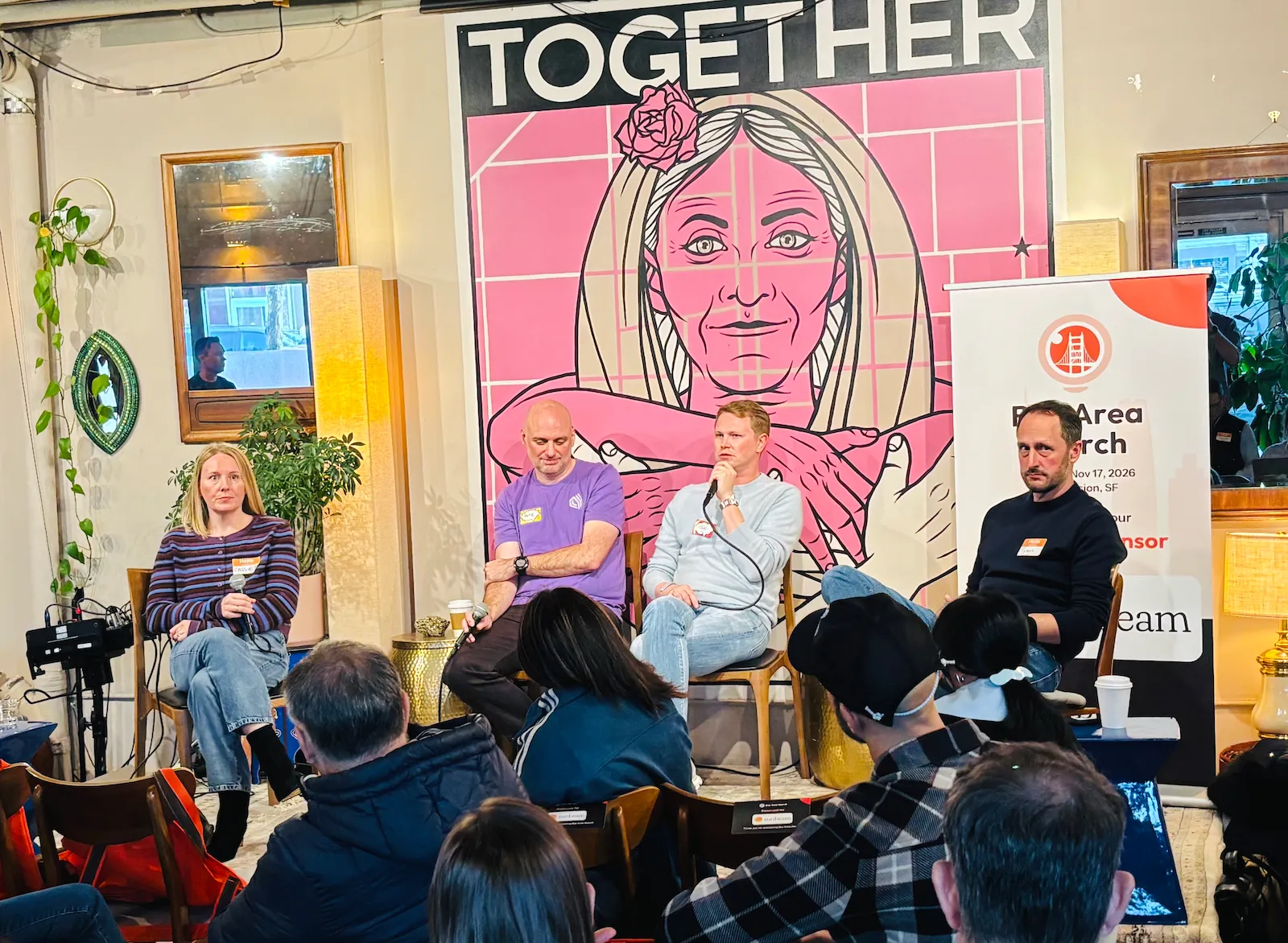
- The in-house panel (LinkedIn, Uber and Apartment List, moderated by Previsible) agreed GEO is mostly just good SEO. Getting into LLMs is pretty much doing the basics well.
- Pete Dainty (Apartment List) followed up with a page-by-page review of the original GEO research paper, arguing it is mostly good SEO and inviting evidence to the contrary.
- SEO is still a growth channel. It is different than before, but the opportunity is bigger because searchers have more places to look.
Off-site brand and social
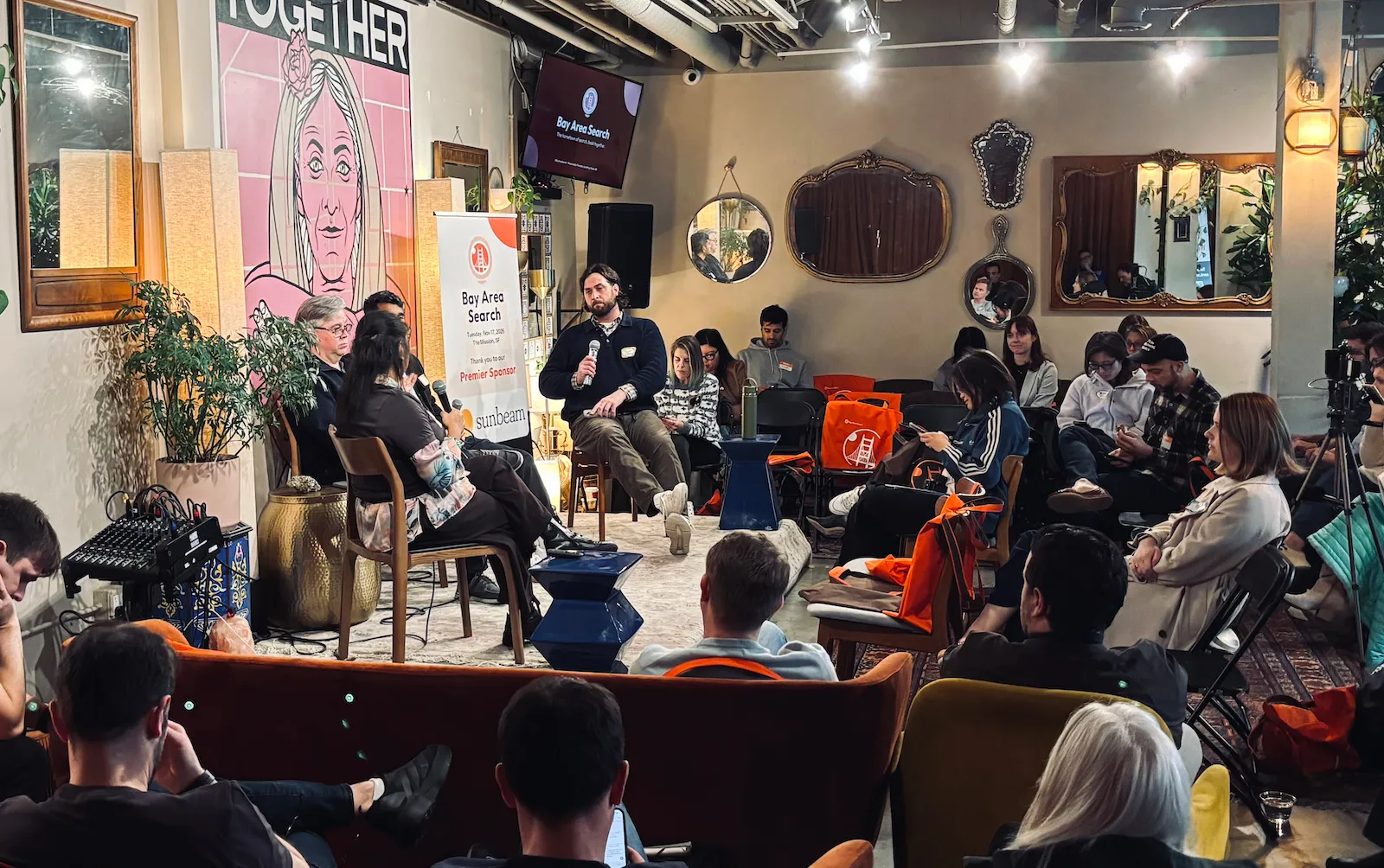
- AI answers now cite YouTube, G2, Reddit, Instagram, TikTok and even Facebook. Third-party sentiment shapes what models say.
- Social is no longer a side channel. Each platform needs content made for it; reposting blog content does not cut it.
- Short-form content and native social content were both called “king.”
- Elle Santos (Previsible): know exactly who you are talking to. People connect with a real person and an ongoing story, not polished one-off content.
Content quality
- The bar is to beat the average article the best model can write, the way a portfolio manager has to beat the S&P 500.
- Use AI behind the scenes (what to talk about, where the audience is). Then have a real person say it. A rough real video beats a polished AI one.
- Head-to-head tests of AI content against real creators currently favor real creators.
- “Answer First” formatting so readers do not need to scroll.
- Caution: a lot of data and analysis being shared is wrong because it relies on AI instead of expertise.
Measurement and reporting
- Mentions are important; citations were called “garbage.” The main value of LLM trackers is making stakeholders feel good.
- If you report AI visibility, lead with whether you are beating competitors.
- No measurable brand lift from higher AI visibility so far. There may be a shift in direct and dark social traffic toward long-tail.
- Use GSC bulk export into BigQuery (not the GSC API) to get question-style query data.
- When asking customers how they found you, rotate the answer order to weed out bias.
- Some teams analyze LLM responses at a level of granularity most teams are not reaching yet.
Executives and budget
- Execs are very excited about AI. It is hard to talk them out of over-investing. There is a lot of hand-waving about value.
Where agents are heading
- Agents probably will not be brand-agnostic. Users will be able to set brand preferences, so brand strength still matters.
Lines worth repeating
Lines I heard during the sessions that stuck with me.
“Mentions are important. Citations are garbage.”
“I know I’m wasting half of my AI budget, I just don’t know which half.”
Your content has to beat the average article the best model can write.
A rough real video beats a polished AI one.
If Reddit says your feature doesn’t work, the model believes Reddit.
Program and speakers
| Time | Session | Speakers |
|---|---|---|
| 8:30 AM | Doors open, breakfast and networking | Coffee courtesy of Nozzle |
| 9:15 AM | Welcome and opening remarks | Micah Fisher-Kirshner (emcee); Christina Ortega, CEO, Mission Bit |
| 9:45 AM | Keynote | Silvia Oviedo López, Co-founder and CEO, Blomma |
| 10:45 AM | In-house panel: AI Search at Big Brands: What’s Real, What’s Hype | Cassie Dell, Head of Organic Growth and AI Search, LinkedIn; Denis Yevseyev, SEO Strategist, Uber; Pete Dainty, Sr Director, Search and AI Visibility, Apartment List; moderated by Tyson Stockton, Co-founder and COO, Previsible |
| 11:45 AM | Lunch | |
| 1:00 PM | Keynote | Casey Winters, Co-founder and CEO, SuperMe |
| 1:45 PM | Agency panel: How Brands Get Found and Recommended in AI Search | AJ Kohn, Blind Five Year Old; Elle Santos, Sr. Director of Content, Previsible; Thenuka Karunaratne, CEO, sunbeam and daydream; moderated by Tyler Einberger, Co-founder, Momentic and MKE DMC |
| 3:00 PM | Closing fireside chat | Nickhil Nabar, Head of GTM Innovation, OpenAI; Wei Zheng, CEO, Conductor; with Jordan Koene, Co-founder and CEO, Previsible |
| 3:40 PM | Closing remarks | |
| 4:00 PM | Happy hour | Sponsored by sunbeam |
What this means for higher education
- The basics still win. Clean, accurate, well-structured pages for programs, admissions and student services are the “basics done well” that panelists said drive LLM visibility. Most schools do not need a separate GEO program.
- Answer first on key pages. Admissions, tuition, deadlines and program pages should lead with the direct answer, then the detail. It is a natural rule for any university content guide or website redesign.
- Off-site presence shapes AI answers about your school. What Reddit, YouTube, LinkedIn, Wikipedia, Niche and ranking sites say about a campus feeds the models. Web, social and communications teams need to look at this together.
- Report AI visibility against peers. If you track it at all, compare your school with peer institutions and regional competitors instead of showing a standalone score. Track mentions over citations.
- Better question data. GSC bulk export to BigQuery surfaces the question-style queries prospective students actually ask. That is the raw material for FAQ and answer content.
- Your alpha is original content. Faculty research, student outcomes, rankings and campus stories are things a model cannot write.
- Real voices win. Student, faculty and alumni video and stories beat polished AI content, especially on social.
- Set expectations with leadership. There is no proven enrollment or brand lift from AI visibility yet, so fundamentals come before new tools.
Write a comment